Free SSL Checker
An SSL (Secure Sockets Layer) certificate is a digital certificate that authenticates a website's identity and enables an encrypted connection between a web server and a browser. When a site has a valid SSL certificate, its URL begins with HTTPS rather than HTTP, and browsers display a padlock icon. SSL certificates are issued by trusted Certificate Authorities (CAs) and contain information about the domain, the certificate owner, the issuing authority, and the expiry date.
SSL is essential for three reasons: security, trust, and SEO. It encrypts data in transit, protecting your users' passwords, payment details, and personal information from interception. It signals trustworthiness — browsers actively warn users when a site lacks HTTPS. And since 2014, Google has used HTTPS as a ranking signal, meaning sites without valid SSL certificates are at a disadvantage in search results. Any site handling user data or logins should treat SSL as non-negotiable.
SSL failures have several common causes: the certificate has expired and wasn't renewed in time, the certificate was issued for a different domain than the one being accessed (domain mismatch), the certificate chain is incomplete or incorrectly configured on the server, the certificate was issued by an untrusted or self-signed CA, or the server's SSL/TLS configuration uses outdated protocols like TLS 1.0 that modern browsers reject. Any of these will trigger browser security warnings that deter visitors.
As of September 2020, SSL certificates are valid for a maximum of 398 days (approximately 13 months). Before this change, certificates could be issued for up to two years. Certificate Authorities are now moving towards even shorter lifespans — Google's Chrome Root Program has proposed a 90-day maximum validity period to encourage automation and reduce the risk of compromised certificates remaining in use. This makes automated SSL monitoring increasingly important for any production website.
An SSL certificate chain (also called a chain of trust) is the sequence of certificates that links your domain's certificate back to a trusted root Certificate Authority. It typically consists of three layers: your domain certificate, one or more intermediate certificates issued by the CA, and the root certificate that browsers inherently trust. If any link in this chain is missing or misconfigured on your server, browsers will display a security warning even if your domain certificate itself is valid.
When an SSL certificate expires, browsers immediately begin warning visitors that the connection is not secure. Chrome, Firefox, and Safari all display prominent red warning pages that most users will not click through. Beyond the visitor impact, an expired certificate can affect your search rankings as Google may flag the site as insecure. If you're running an e-commerce site or handling any sensitive data, an expired certificate can also constitute a compliance violation. Setting up proactive SSL expiry monitoring avoids this entirely.

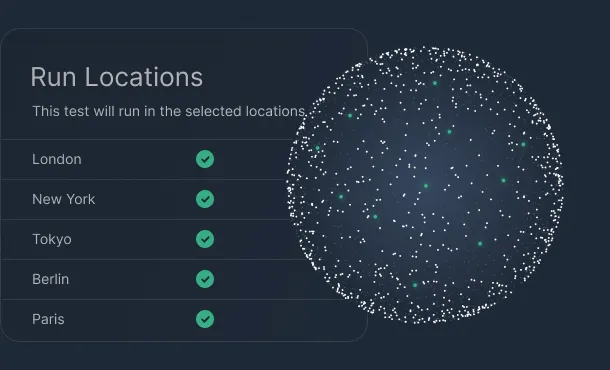
Keep your site available around the clock with checks from multiple global locations every 60 seconds. Get instant alerts by email, Slack, or webhooks the moment downtime is detected so you can fix issues before users notice.
Learn more
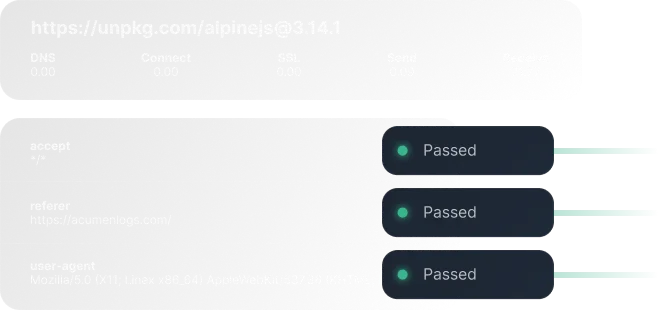
Simulate real user journeys in the browser to catch broken flows, JavaScript errors, and slow pages before they impact revenue. Build and maintain journeys without code, validate key steps like logins and checkouts with screenshots, and videos when something fails.
Learn more
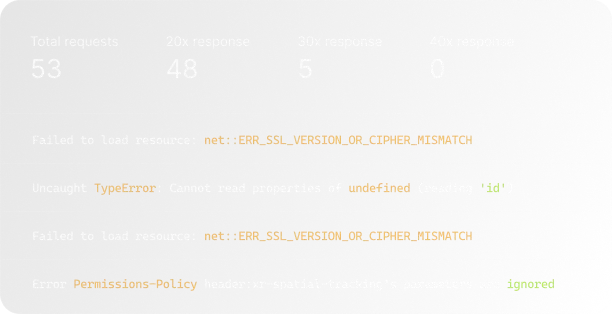
Track mission‑critical flows such as signup, checkout, and dashboards end‑to‑end, not just single pages. Acumen Logs surfaces failed network requests, console errors, and regressions in real time so your team can resolve UX issues quickly.
Learn more

Add lightweight heartbeat checks to scheduled jobs and background workers so you know when something silently stops running. Get alerted on missed or late heartbeats, and review a history of successful runs to prove reliability to stakeholders.
Learn more
Automatically watch your SSL certificates and domains for expiry so you never lose traffic or trust to a preventable error. Receive proactive reminders and status checks that help you stay compliant, secure, and interruption‑free.
Learn more
Continuously test your REST and GraphQL endpoints for uptime, latency, and response correctness from regions that match your users. Validate status codes, schemas, and payloads, and trigger alerts when responses slow down or no longer match expectations.
Learn more